
Author name: atherali_account@yahoo.co.in

Medicinal Garden Kit
Uncategorized

Medicinal Garden Kit (Brand New): What You Actually Get

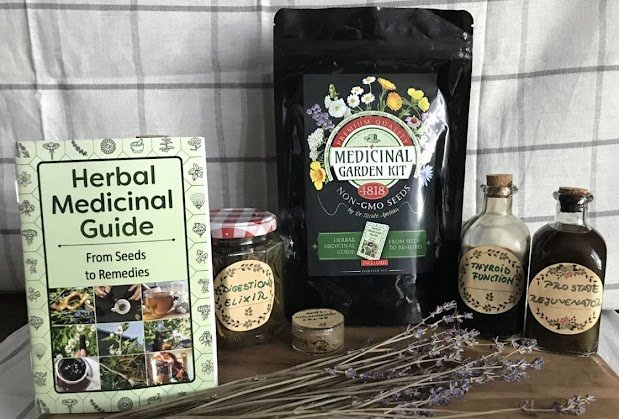
Medicinal Garden Kit (Brand New): What You Actually Get Research-Based, Structured, Verified EBook Download Your Copy Now I keep seeing “medicinal garden kit” listings online, and they all kind of blur together after a while. Pretty photos. Big promises. Tiny bullet points. And then you’re sitting there wondering what’s actually going to show up at your door. A few seed packets? A mystery “herbal blend”? A plastic pot that cracks if you look at it wrong?So let’s do this the practical way. This is a plain English breakdown of what a brand new Medicinal Garden Kit usually includes, what counts as normal, what counts as a nice surprise, and what is honestly a red flag. Because the only thing worse than a kit that’s missing stuff is a kit that looks complete, but sets you up to fail. Also, quick note. “Medicinal” in this context usually means traditional home herb gardening. Not prescriptions. Not cure claims. Just the classic herbs people grow for teas, salves, steam bowls, and general household use.Alright. Here’s what you actually get. First, what “brand new” should mean When a kit is listed as brand new, you’re not just paying for untouched items. You’re paying for a few basics that matter more than people think: Seeds should be within a current or recent season (not something from five years ago that maybe germinates, maybe doesn’t). Packets should be sealed (or clearly packed fresh by the seller with a date). Instructions should be readable and complete (not a blurry photocopy of a photocopy). No weird moisture damage (seed packets or peat pellets that arrived already damp is… not great). If “brand new” arrives with crushed packets, missing labels, or a general thrift store vibe, it’s not being picky to be annoyed. That’s basic. Now, let’s talk about what happens after you’ve successfully grown your herbs. One of the rewarding aspects of having your own medicinal garden is being able to use those herbs in various ways – whether it’s for teas or salves. However, it’s essential to remember that herbs have a shelf life and proper storage is key to maintaining their potency and flavor. This is where understanding the process of drying herbs comes into play. The core of the Medicinal Garden Kit: the seeds (and how many) Most medicinal garden kits are really seed kits with extras. So the seeds are the main thing. What you typically receive A common range is 6 to 12 herb varieties. Some go bigger, like 15 to 20, but the quality often matters more than the count. You’ll usually get one packet per herb, and each packet might contain anywhere from 10 seeds to a few hundred, depending on the plant. This is normal: Big seed counts for basil, dill, chamomile. Smaller seed counts for harder or slower herbs, or just more expensive ones. The medicinal herbs you usually see The “standard lineup” tends to look like this, in some combination:Chamomile (usually German chamomile)CalendulaLemon balmPeppermint or spearmintHoly basil (tulsi)SageThymeLavenderEchinaceaYarrowFennelDillCilantro (sometimes included even though it’s more culinary)Borage (less common, but nice when it shows up)And sometimes you get a slightly more old school, apothecary vibe mix:ValerianMulleinMarshmallowHyssopSkullcapThose can be great. They also require more patience and better instructions. If a kit includes them but gives you no guidance, that’s where people get frustrated. What you should look for on the seed packets This part might seem boring, but it’s crucial for distinguishing between a cute kit and a functional one. Ideally, the seed packets should contain certain essential information: Plant name (common and sometimes botanical) Basic sowing depth Germination time Light needs (full sun, part shade) Water notes A “packed for” date or at least a year If the packet just says “Herb Seeds” without any further details, that’s not a well-planned medicinal garden kit. That’s more of a gamble. For more detailed insights on what to look for in seed packets, you can refer to this guide on seed packet information. Containers: what kind of pots you get (if any) Not every medicinal garden kit includes pots. Some are seeds only. But many do. If the kit includes pots, you’ll usually get one of these: Small nursery style plastic pots Usually 3 to 4 inch. Lightweight. Not fancy. Fine for starting. Biodegradable pots (peat or coir) These look eco-friendly and they are, mostly. However, they can mold if overwatered and they dry out fast. You need a little rhythm with them. For more information about coir pots and their pros and cons, check out this resource. Grow bags Less common in starter kits, more common in “complete patio kit” versions. No pots, but a seed starting tray Honestly, this is sometimes better. How many containers is normal? If you get 10 seed varieties, a realistic kit might include: 10 small pots, or 1 tray with 10 to 12 cells, plus a drip tray, or 6 pots and they expect you to reuse containers for the rest. It’s not automatically a scam if the number doesn’t match, but it should be clearly explained. If it’s unclear, assume you’ll need extra containers. Soil or starter medium: the part that gets skipped a lot A lot of kits quietly avoid including soil because it’s heavy and expensive to ship. That’s why you’ll see “just add soil” in the fine print. What you might receive Seed starting pods or pellets (often peat or coco coir) A small bag of seed starting mix Compost discs that expand with water Or… nothing, and you provide your own If you get pellets, what’s normal? Usually 10 to 30 pellets depending on the kit size. Pellets are fine for germination, but you will still need real potting mix later when you transplant. That’s just how it goes. If a kit claims “everything included” and provides only pellets, it’s not a lie exactly, but it’s a stretch. Pellets alone rarely get you all the way to harvest unless you pot up later. Plant markers and labels (small thing,

Joseph's Well
EBook

Joseph’s Well

Joseph’s Well Research-Based, Structured, Verified EBook Download Your Copy Now Joseph’s Well Stands As One Of The Most Significant Biblical Sites In Palestine, Drawing Christian Pilgrims And History Enthusiasts To The Ancient City Of Nablus. This Sacred Well, Also Known As Jacob’s Well, Connects Visitors Directly To The Stories Of The Old Testament Patriarchs And Offers A Unique Window Into Biblical Archaeology In Palestine. This Guide Serves Travelers Planning A Pilgrimage To The Holy Land, History Buffs Interested In Ancient Well Sites, And Anyone Curious About The Spiritual Heritage Of The Middle East. We’ll Explore The Biblical Origins And Deep Significance Of This Sacred Location, Showing You Exactly Where To Find Joseph’s Well In Modern-Day Nablus And What Makes It Such A Powerful Destination For Christian Pilgrimage Sites. You’ll Also Discover Practical Advice For Planning Your Visit Effectively, Including The Best Times To Experience The Sacred Atmosphere And How To Make The Most Of Your Spiritual Journey To This Remarkable Piece Of Shechem’s Historical Sites. Discover the Biblical Origins and Significance of Joseph’s Well Explore the Historical Context in Ancient Palestine Joseph’s Well stands as a testament to the rich tapestry of ancient Palestinian history, dating back nearly 4,000 years to the patriarchal period. During this era, the region served as a crossroads between Egypt and Mesopotamia, making it a vital hub for trade, migration, and cultural exchange. The well sits in the heart of what was once ancient Shechem, a city that held immense political and religious importance throughout Biblical times. The Samaritan community, descendants of the ancient Israelites, have maintained an unbroken chain of worship and guardianship at this sacred site. Their presence provides living continuity to the Biblical narratives that unfolded here. Archaeological excavations reveal layers of civilization stretching back to the Bronze Age, with pottery shards, coins, and architectural remains painting a picture of continuous habitation and reverence for this location. Ancient Palestine’s geography made wells precious commodities, especially in the semi-arid climate of the central highlands. Joseph’s Well wasn’t just a water source—it represented survival, settlement, and divine blessing. The strategic location allowed ancient peoples to establish permanent communities, leading to the development of Shechem as one of the most important cities in Biblical Palestine. Research-Based, Structured, Verified EBook Download Your Copy Now Understand the Connection to Jacob’s Son Joseph The connection between this sacred well and Joseph, Jacob’s beloved son, runs deep through Biblical narrative and local tradition. Joseph, known for his coat of many colors and his prophetic dreams, received this land as his inheritance from his father Jacob. When the Israelites finally settled in the Promised Land after their Egyptian sojourn, Joseph’s bones were brought back and buried near this very well, fulfilling the promise made centuries earlier. Local Samaritan traditions preserve detailed accounts of Joseph’s life and his connection to this site. They maintain that Joseph himself drank from these waters and that the well served his household and flocks. The Samaritan chronicles describe how Joseph’s descendants continued to draw water from this source for generations, creating an unbroken link between the patriarch and the present day. The well also connects to the broader narrative of Jacob’s family settling in Canaan. When Jacob purchased land in Shechem, this area became the first piece of the Promised Land legally owned by the patriarchs. The transaction, recorded in Genesis, establishes the legitimate claim of Jacob’s descendants to this territory, with Joseph’s portion being specifically designated around this well. Learn About the Well’s Mention in Old Testament Scriptures Scripture references to Joseph’s Well and its surrounding area appear throughout the Old Testament, particularly in Genesis and Joshua. Genesis 33:19 records Jacob’s purchase of the land where the well is located: “And he bought the parcel of ground, where he had spread his tent, at the hand of the children of Hamor, Shechem’s father, for a hundred pieces of money.” Joshua 24:32 provides perhaps the most direct reference: “And the bones of Joseph, which the children of Israel brought up out of Egypt, buried they in Shechem, in a parcel of ground which Jacob bought of the sons of Hamor the father of Shechem for a hundred pieces of silver: and it became the inheritance of the children of Joseph.” The book of Joshua also mentions the well in the context of tribal land divisions. When the Israelites divided the Promised Land among the twelve tribes, Joseph’s portion (through his sons Ephraim and Manasseh) included this significant location. The well became a landmark for establishing tribal boundaries and inheritance rights. Deuteronomy 27 and Joshua 8 reference Mount Gerizim and Mount Ebal, which overlook Joseph’s Well, as sites where the Israelites proclaimed blessings and curses upon entering the land. This geographical context places the well at the center of crucial covenant ceremonies. Examine Archaeological Evidence Supporting Its Existence Archaeological investigations at Joseph’s Well reveal compelling evidence supporting its ancient origins and continuous use. Excavations conducted in the 20th and 21st centuries have uncovered pottery fragments dating from the Middle Bronze Age through the Roman period, demonstrating the site’s long history of human activity. The well itself shows clear signs of ancient construction techniques. Stone-cutting methods and masonry styles match those found at other confirmed Biblical sites from the same period. The depth and construction of the well required significant engineering knowledge and community effort, suggesting its importance to ancient settlers. Research-Based, Structured, Verified EBook Download Your Copy Now Data Table Archaeological Period Evidence Found Significance Middle Bronze Age Pottery shards, stone tools Early settlement activity Late Bronze Age Canaanite artifacts Pre-Israelite occupation Iron Age Israelite pottery, coins Biblical period habitation Roman Period Building foundations Continuous religious use Carbon dating of organic materials found in sediment layers provides scientific validation of the well’s antiquity. These dates align remarkably well with Biblical chronology, supporting traditional dating of the patriarchal narratives. Recent archaeological surveys using ground-penetrating radar have revealed additional structures surrounding the well, including what appears to be ancient foundations of buildings that may have served religious

Scroll to Top