
Medicinal Garden Kit (Brand New): What You Actually Get
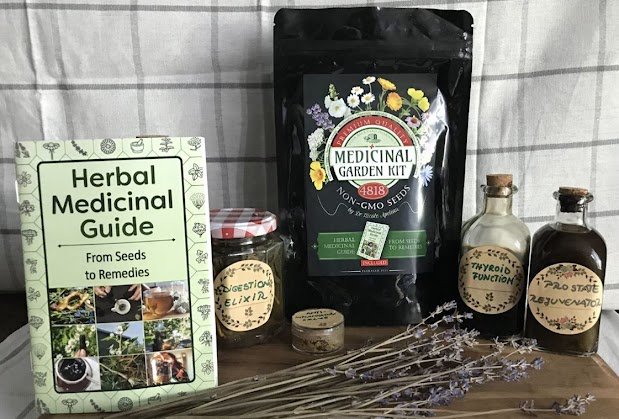
Research-Based, Structured, Verified EBook
Download Your Copy NowI keep seeing “medicinal garden kit” listings online, and they all kind of blur together after a while.
Pretty photos. Big promises. Tiny bullet points. And then you’re sitting there wondering what’s actually going to show up at your door. A few seed packets? A mystery “herbal blend”? A plastic pot that cracks if you look at it wrong?
So let’s do this the practical way.
This is a plain English breakdown of what a brand new Medicinal Garden Kit usually includes, what counts as normal, what counts as a nice surprise, and what is honestly a red flag. Because the only thing worse than a kit that’s missing stuff is a kit that looks complete, but sets you up to fail.
Also, quick note. “Medicinal” in this context usually means traditional home herb gardening. Not prescriptions. Not cure claims. Just the classic herbs people grow for teas, salves, steam bowls, and general household use.
Alright. Here’s what you actually get.
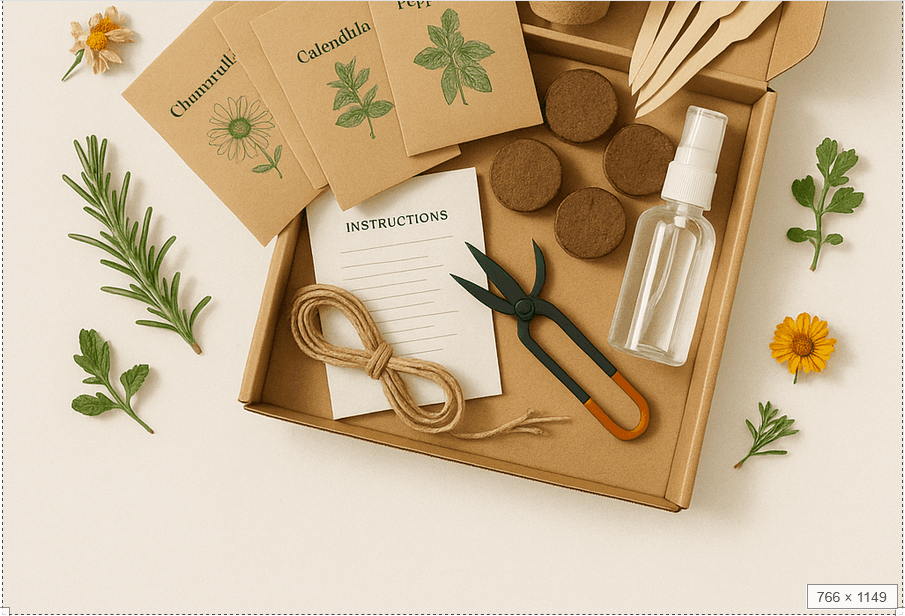
First, what “brand new” should mean
When a kit is listed as brand new, you’re not just paying for untouched items. You’re paying for a few basics that matter more than people think:
Seeds should be within a current or recent season (not something from five years ago that maybe germinates, maybe doesn’t).
Packets should be sealed (or clearly packed fresh by the seller with a date).
Instructions should be readable and complete (not a blurry photocopy of a photocopy).
No weird moisture damage (seed packets or peat pellets that arrived already damp is… not great).
If “brand new” arrives with crushed packets, missing labels, or a general thrift store vibe, it’s not being picky to be annoyed. That’s basic.
Now, let’s talk about what happens after you’ve successfully grown your herbs. One of the rewarding aspects of having your own medicinal garden is being able to use those herbs in various ways – whether it’s for teas or salves. However, it’s essential to remember that herbs have a shelf life and proper storage is key to maintaining their potency and flavor. This is where understanding the process of drying herbs comes into play.
The core of the Medicinal Garden Kit:
the seeds (and how many)
What you typically receive
A common range is 6 to 12 herb varieties. Some go bigger, like 15 to 20, but the quality often matters more than the count.
You’ll usually get one packet per herb, and each packet might contain anywhere from 10 seeds to a few hundred, depending on the plant.
This is normal:
Big seed counts for basil, dill, chamomile.
Smaller seed counts for harder or slower herbs, or just more expensive ones.
The medicinal herbs you usually see
The “standard lineup” tends to look like this, in some combination:
Chamomile (usually German chamomile)
Calendula
Lemon balm
Peppermint or spearmint
Holy basil (tulsi)
Sage
Thyme
Lavender
Echinacea
Yarrow
Fennel
Dill
Cilantro (sometimes included even though it’s more culinary)
Borage (less common, but nice when it shows up)
And sometimes you get a slightly more old school, apothecary vibe mix:
Valerian
Mullein
Marshmallow
Hyssop
Skullcap
Those can be great. They also require more patience and better instructions. If a kit includes them but gives you no guidance, that’s where people get frustrated.
What you should look for on the seed packets
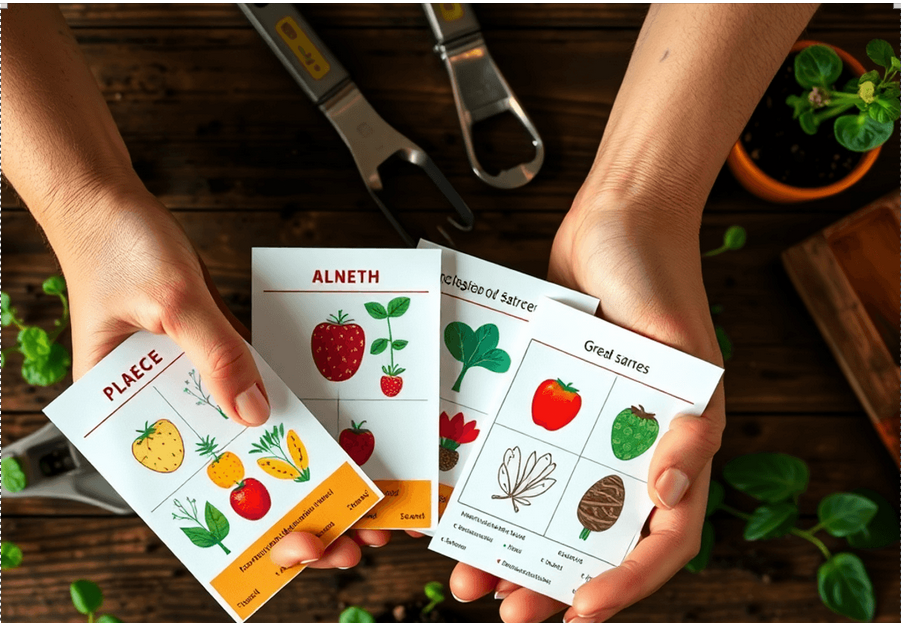
This part might seem boring, but it’s crucial for distinguishing between a cute kit and a functional one.
Ideally, the seed packets should contain certain essential information:
Plant name (common and sometimes botanical)
Basic sowing depth
Germination time
Light needs (full sun, part shade)
Water notes
A “packed for” date or at least a year
If the packet just says “Herb Seeds” without any further details, that’s not a well-planned medicinal garden kit. That’s more of a gamble.
For more detailed insights on what to look for in seed packets, you can refer to this guide on seed packet information.
Containers:
what kind of pots you get (if any)
If the kit includes pots, you’ll usually get one of these:
- Small nursery style plastic pots
- Usually 3 to 4 inch. Lightweight. Not fancy. Fine for starting.
- Biodegradable pots (peat or coir)
- These look eco-friendly and they are, mostly. However, they can mold if overwatered and they dry out fast. You need a little rhythm with them. For more information about coir pots and their pros and cons, check out this resource.
- Grow bags
- Less common in starter kits, more common in “complete patio kit” versions.
- No pots, but a seed starting tray
- Honestly, this is sometimes better.
How many containers is normal?
Soil or starter medium: the part that gets skipped a lot
What you might receive
If you get pellets, what’s normal?
Plant markers and labels
(small thing, big deal)
This seems minor until you’ve got eight green sprouts that all look identical for two weeks.
Most kits include either:
Wooden plant labels (like little popsicle sticks)
Plastic stakes
A sheet of stickers
A brand new kit should have enough labels for all varieties. If it includes 12 seed packets and 6 labels, you’re going to end up labeling things “maybe thyme??” with a Sharpie on random cardboard.
Not the end of the world, but it’s annoying.
Instructions: what they look like when they’re actually useful
A good medicinal garden kit includes instructions that go beyond “plant seeds, water, enjoy.”
Because medicinal herbs have quirks.
Some need light to germinate. Some need cold stratification. Some take forever and you think you failed. Some spread like they’re trying to take over your neighborhood.
What decent instructions include
- Germination time ranges by herb
- When to transplant
- Sun requirements
- Watering notes
- Basic harvesting guidance (when to pick leaves or flowers)
- Drying tips (even simple ones)
The most common instruction gaps
If your kit includes any of these and doesn’t mention special handling, expect trial and error:
- Lavender (slow germination, can be finicky)
- Echinacea (often benefits from cold stratification)
- Valerian (slow, strong smell later on)
- Yarrow (tiny seeds, likes light)
Some kits do include a QR code to a guide page. That’s fine. Just make sure it’s not a dead link.
A watering tool (sometimes)
and what quality to expect
Some kits include a tiny watering can or a spray bottle.
If they do, expectations should be realistic:
* It’s usually small.
* It’s usually plastic.
* It’s usually meant for seedlings only.
A spray bottle is actually useful for germination because it doesn’t blast seeds out of place. But the absolute cheapest spray bottles clog quickly. If yours is terrible, replace it. Not worth fighting with.
Grow lights (rare) or
“grow light included” confusion
Most “basic” medicinal garden kits do not include grow lights.
If a kit claims it includes a grow light, it will usually be:
* A small USB LED strip light
* A clip on mini lamp
* A halo style desktop light
These can work for seedlings, but they won’t replace a real setup if you’re growing indoors long term. The key thing is not getting tricked by the listing.
If it says “grow light compatible” that means nothing is included. It’s just marketing language.
Gloves, tools, and the little extras
Some kits throw in small garden tools. These are usually “nice to have” items, not the reason you buy the kit.
You might see:
* Mini trowel
* Mini fork tool
* Pruners (rare at the lower price points)
* Gardening gloves
Mini tools are fine for containers, but they’re often flimsy. If you already own basic tools, you won’t care. If you don’t, they’re helpful for week one.
A booklet about herbal uses,
(sometimes, and it’s hit or miss)
Some medicinal garden kits include a “how to use your herbs” booklet. These vary wildly.
A good one will stick to safe, general stuff like:
* How to make an herbal tea infusion using this general procedure
* How to dry herbs for storage following these methods
* How to make an oil infusion for salves
* Basic cautions (pregnancy, allergies, interactions, pets)
A bad one will make big health claims or act like every herb cures everything. That’s not only questionable, it’s a sign the kit is more about marketing than gardening.
If you get a basic booklet, treat it like a starter map. You’ll still want to double check anything you put in your body, especially if you’re on meds.
Packaging: what arrives in the box
A new kit usually arrives in one of these styles:
* A retail style box with compartments
* A plain shipping box with components in baggies
* A gift set style package (more aesthetic, sometimes less practical)
Here’s what matters:
* Seed packets are protected from crushing
* Anything that expands with water (pellets, discs) is sealed and dry
* Labels and instructions are not missing
If you open the box and there’s loose soil dust everywhere and seed packets are ripped, take photos immediately. That’s not you being dramatic. That’s how you get a replacement.
What you do NOT usually get
(and people assume you do)
This is the part that causes most disappointment.
Most medicinal garden kits do not include:
- Enough soil to grow everything to maturity
- Large permanent planters
- Fertilizer (sometimes a tiny sample, but not much)
- Pest control solutions
- Ongoing support beyond a basic guide
- Guarantee of germination (some sellers offer one, many don’t)
If you’re planning to actually grow a decent amount, you’ll likely add:
- A bag of potting mix
- Larger pots or a raised bed
- A basic organic fertilizer (optional)
- Some kind of pest plan if you’re outdoors
Not expensive, but it’s good to know upfront.
What “complete kit”
should include, realistically
If a listing says “complete medicinal garden kit”, in a perfect world it would include:
- 8 to 12 labeled seed varieties
- Seed starting tray with dome and drip tray
- Seed starting medium (pellets or mix)
- Markers for every variety
- Clear instructions per herb
- A basic harvesting and drying guide
If you see “complete kit” and it’s only seed packets, that’s not automatically bad. But it’s not complete. It’s a seed set.
Research-Based, Structured, Verified EBook
Download Your Copy NowQuick checklist:
open the box and verify this stuff
When your kit arrives, lay it out and check:
- Count the seed packets. Do you have all varieties listed?
- Are the packets labeled clearly?
- Any packet torn open?
- Are pellets or discs dry and sealed?
- Do you have enough markers?
- Are instructions included and readable?
- If pots or trays are included, are they cracked?
If anything is missing, message the seller immediately with photos. Waiting two weeks makes it harder, and also, why suffer.
The honest truth about results
(so you don’t blame the kit for everything)
Even a great kit can fail if the setup is off by a little.
The three most common reasons people think they got “bad seeds”:
- Not enough light A bright window often isn’t enough, especially in winter. Seedlings stretch, weaken, then collapse.
- Overwatering Seed starting is more like “keep it lightly moist” than “keep it wet”. Too much water invites fungus and rot.
- Wrong expectations on timing Some herbs pop in 3 to 7 days. Some take 21 days. Some take longer. You didn’t fail, they’re just slow.
If your kit includes herbs like lavender or echinacea and doesn’t warn you they can be slow, that’s on the kit. But if it’s basil and dill and nothing germinates, yeah. Then I start side eyeing the seed quality.
So what do you actually get, summed up
A brand new Medicinal Garden Kit typically includes:
- A set of medicinal herb seeds (often 6 to 12 varieties)
- Some kind of starter setup (pots or a tray, sometimes nothing)
- A starting medium (pellets or discs, sometimes none)
- Plant markers
- Basic instructions
- Sometimes small extras like a spray bottle, mini tools, or a booklet
And what you almost always still need to supply:
- Potting mix for later stages
- Bigger containers or garden space
- Decent light (sun or a grow light)
- Patience, honestly
If you’re buying one as a gift, go for kits that include a tray, markers, and clear instructions. That’s the difference between “cute idea” and “they actually grew something.”
If you’re buying one for yourself, prioritize seed quality and good guidance over fancy packaging. The plants don’t care how aesthetic the box was.
That’s the real deal.
FAQs (Frequently Asked Questions)
A brand new Medicinal Garden Kit typically includes sealed seed packets from the current or recent season, readable and complete instructions, and no moisture damage. The kit usually contains 6 to 12 herb varieties, each with one packet containing anywhere from 10 seeds to a few hundred depending on the plant. Some kits also include pots such as small plastic nursery pots, biodegradable peat or coir pots, or grow bags.
Common herbs in medicinal garden kits include chamomile (usually German chamomile), calendula, lemon balm, peppermint or spearmint, holy basil (tulsi), sage, thyme, lavender, echinacea, yarrow, fennel, dill, cilantro, and occasionally borage. Some kits may also feature old-school apothecary herbs like valerian, mullein, marshmallow, hyssop, and skullcap.
Good quality seed packets should have clear labeling including the plant's common and sometimes botanical name, basic sowing depth, germination time, light needs (full sun or part shade), water requirements, and a 'packed for' date or at least the year. Packets that only say 'Herb Seeds' without details are less reliable.
Not all medicinal garden kits include pots; some are seeds only. When pots are included, they are usually small nursery-style plastic pots (3 to 4 inches), biodegradable pots made from peat or coir which require careful watering to avoid mold and drying out quickly, or less commonly grow bags.
In this context, "medicinal" refers to traditional home herb gardening for making teas, salves, steam bowls, and general household use. It does not imply prescription medicine or cure claims but focuses on classic herbs used for wellness at home.
Seeds from a current or recent season ensure better germination rates and healthy plant growth. Old seeds may have reduced viability and may not sprout well or at all. Receiving fresh seeds helps set you up for success in growing your medicinal herb garden.